Image sizing · 3 min read
Pixels to Print Centimetres: the method, worked through
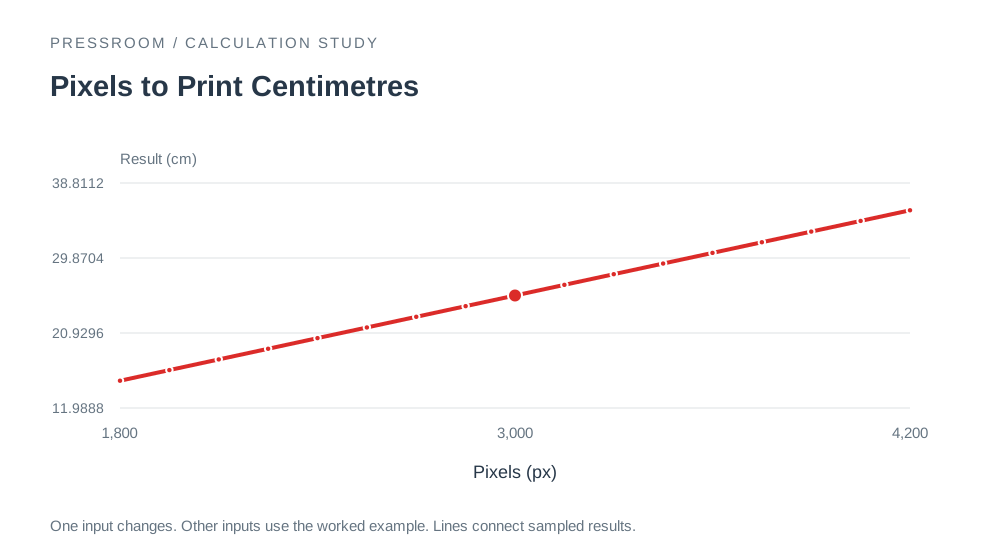
Pixel count becomes a physical print dimension only when paired with an image density.
Work through the formula, compare a few scenarios and know where the model stops.
Pixel count becomes a physical print dimension only when paired with an image density.
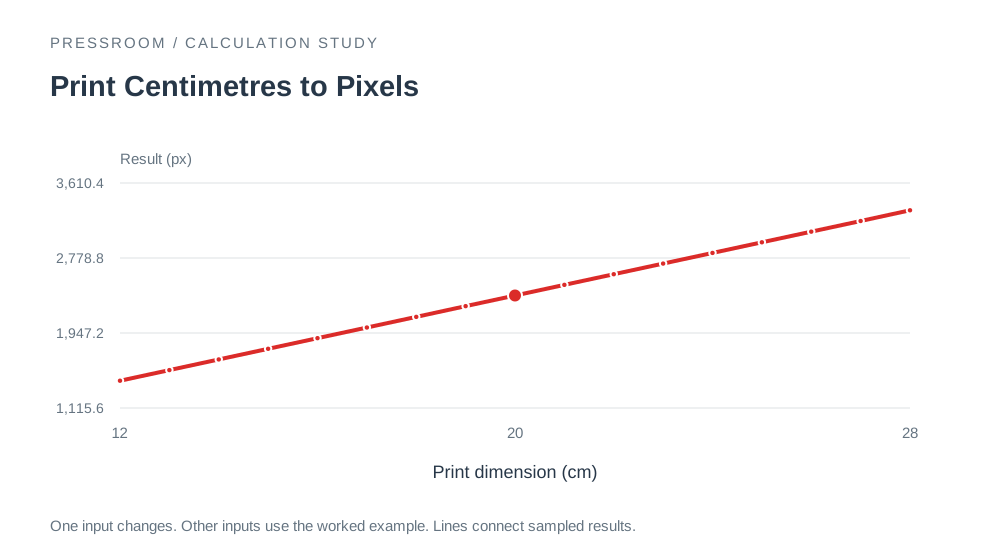
A physical output target determines the minimum whole-pixel dimension at a selected density.
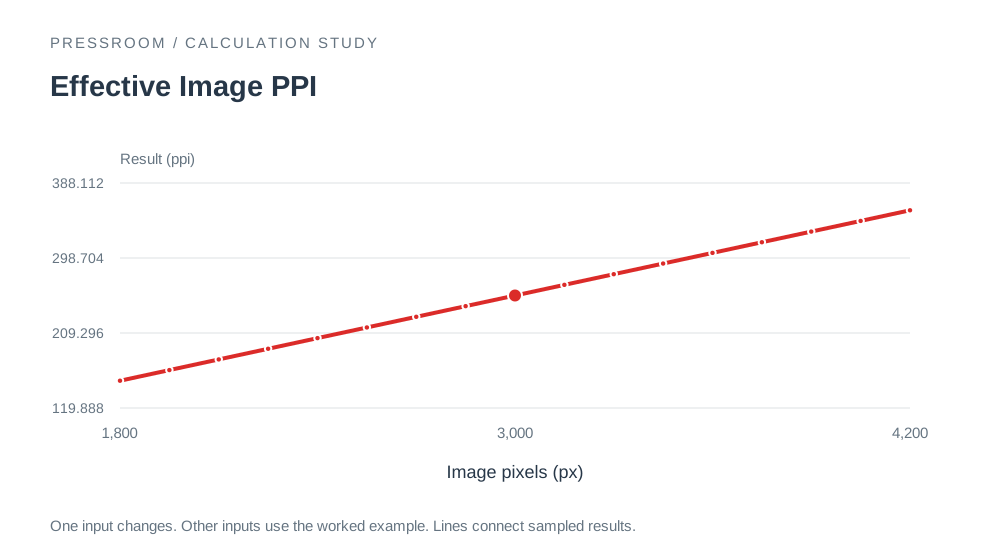
Effective resolution depends on how large an image is placed on the page.
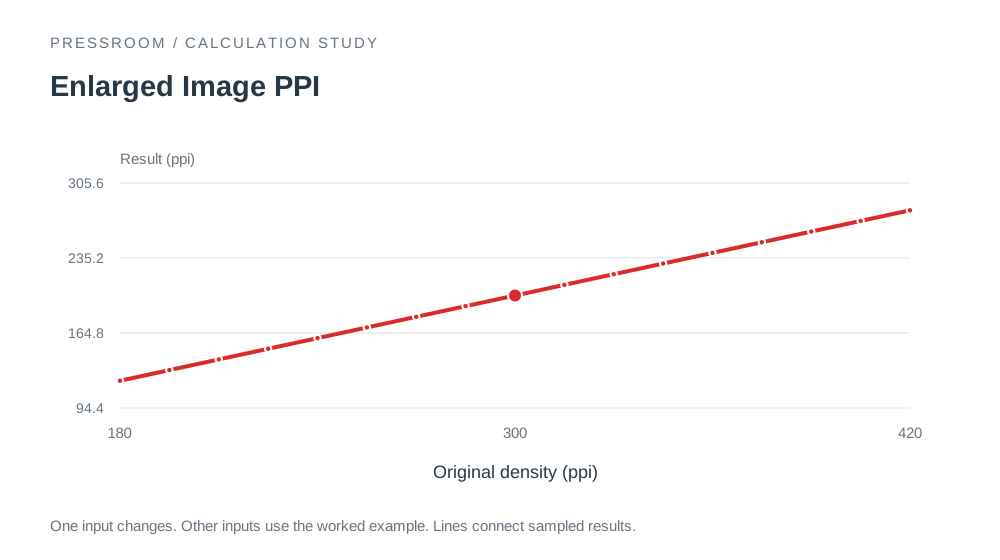
Enlarging a placed image spreads its existing pixels over more physical space.
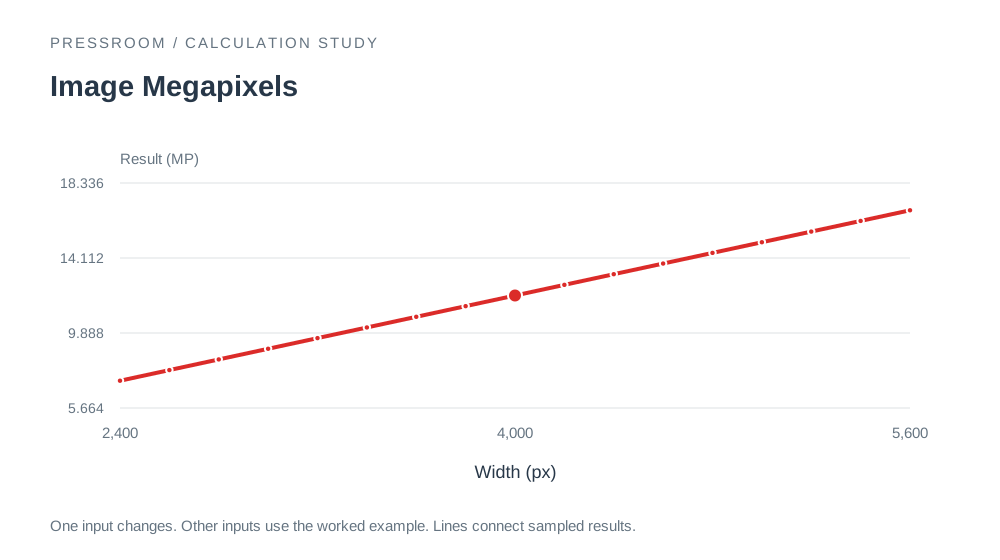
Total pixel count describes the size of a rectangular raster grid.
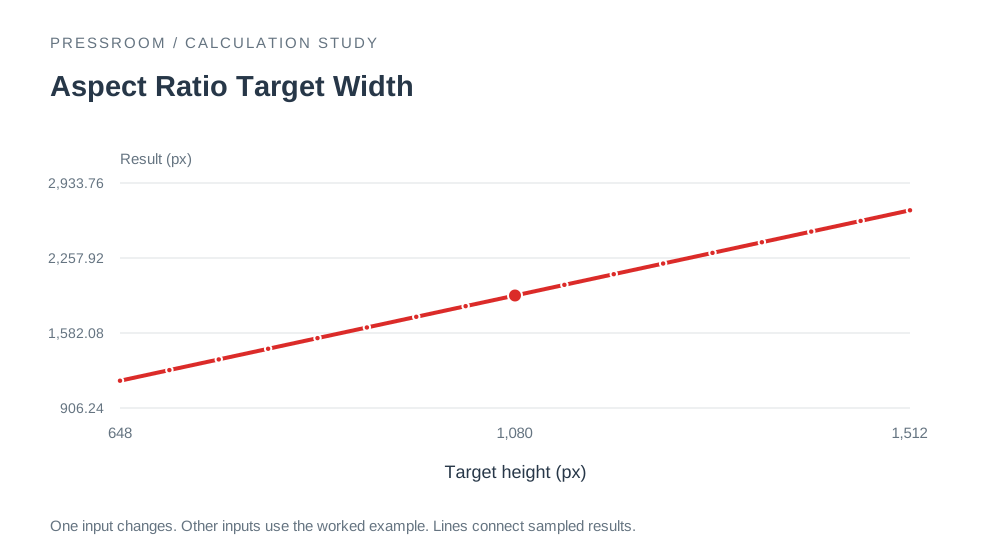
A proportion connects the desired width to a known height.
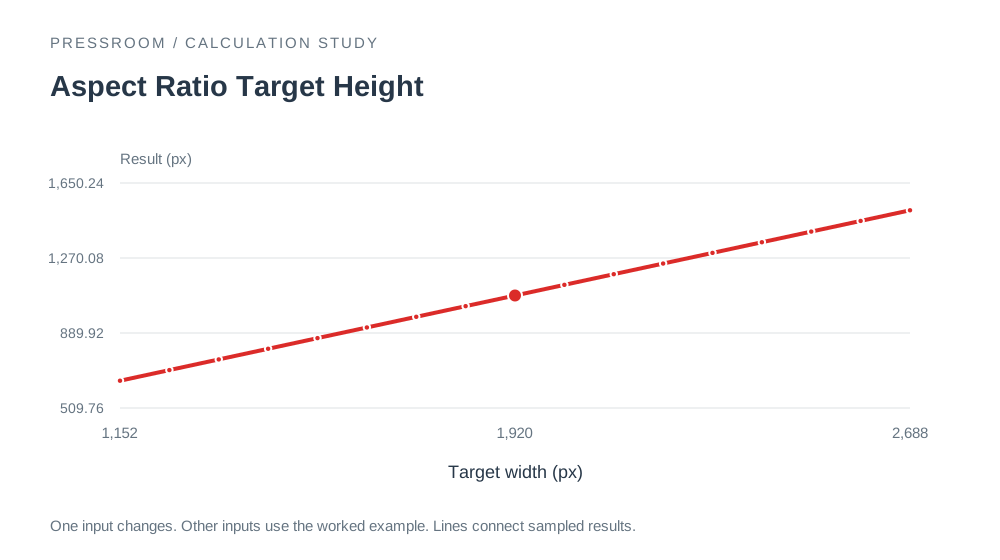
Keeping an aspect ratio avoids stretching a composition during resizing.
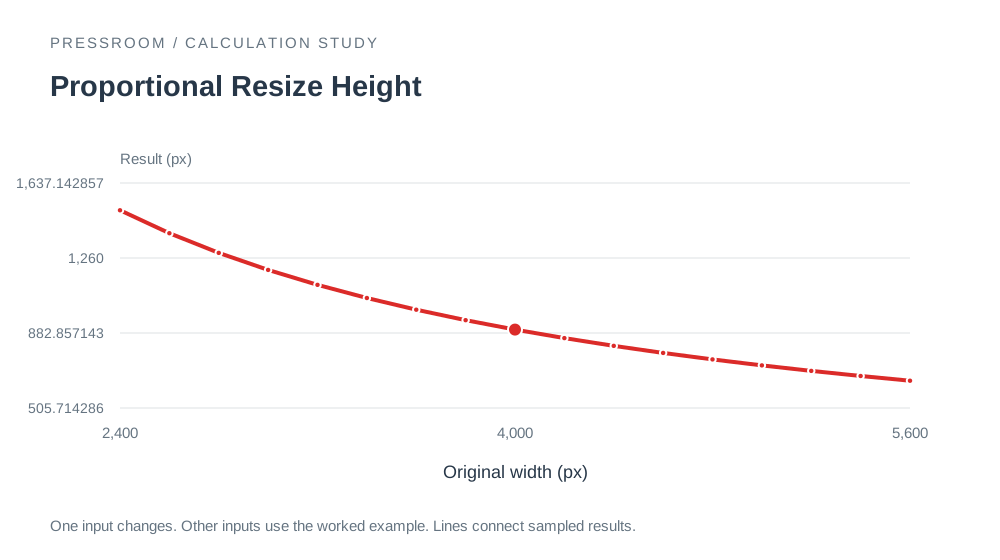
A width-led resize preserves the original relationship between horizontal and vertical dimensions.
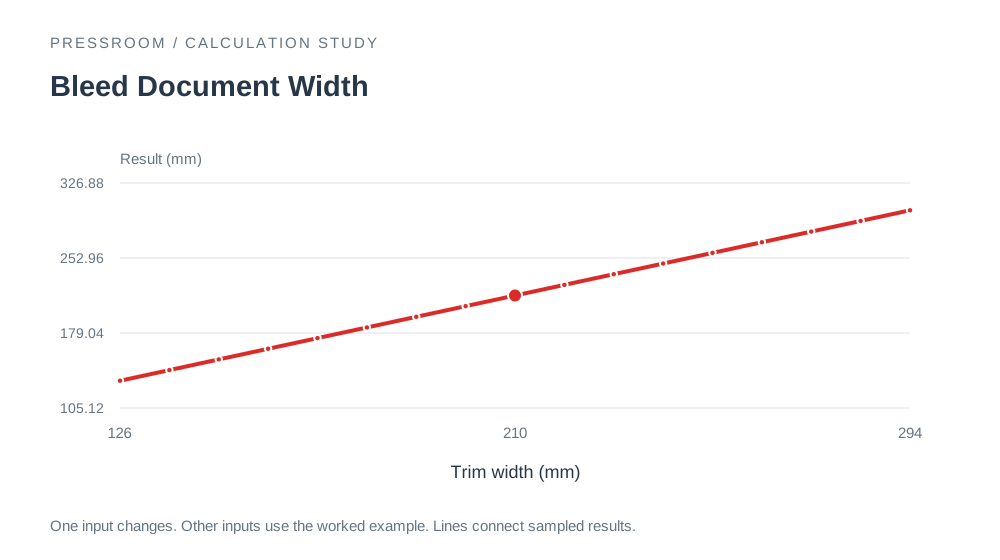
Bleed extends artwork beyond both cut edges, increasing the total document width.
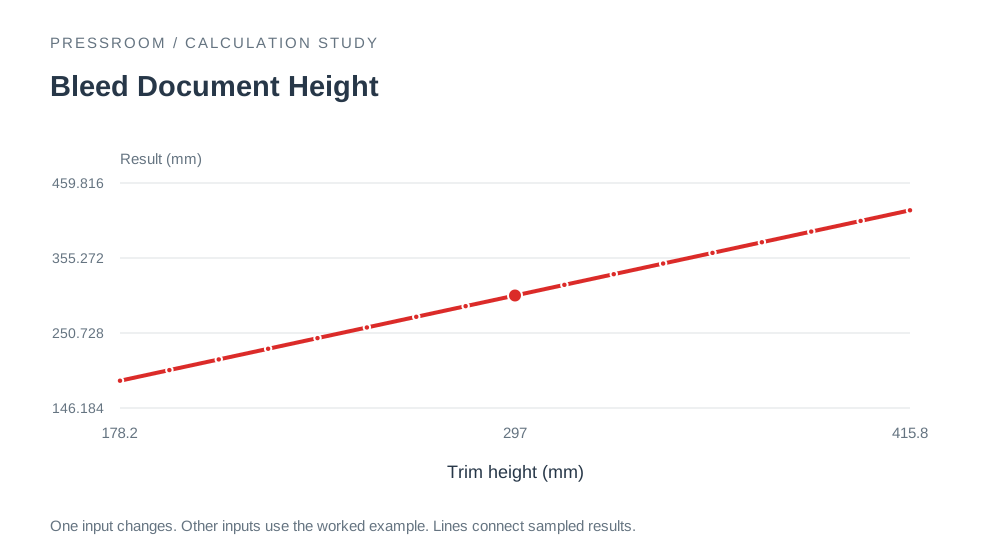
The top and bottom bleed areas add to the trimmed height.
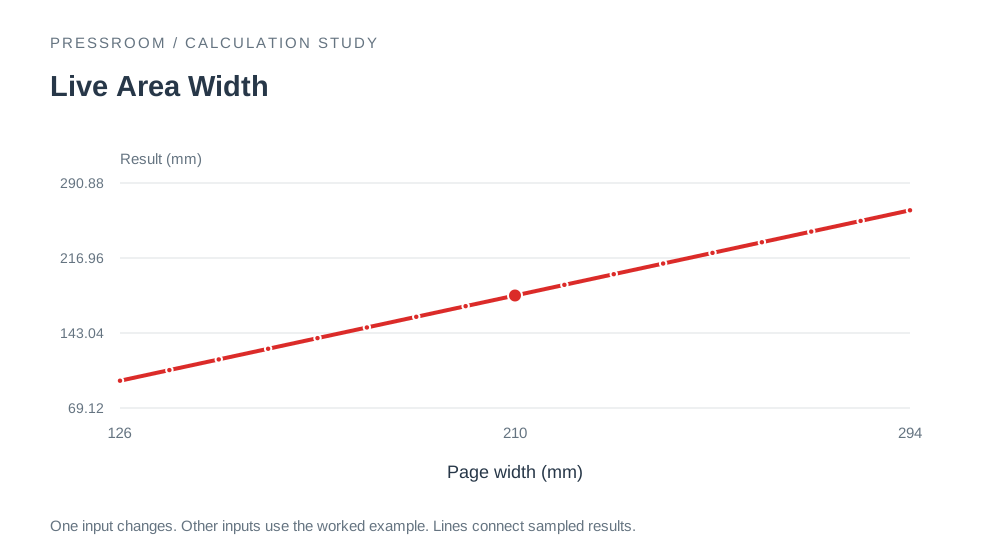
The live area is the horizontal space remaining after margins are removed.
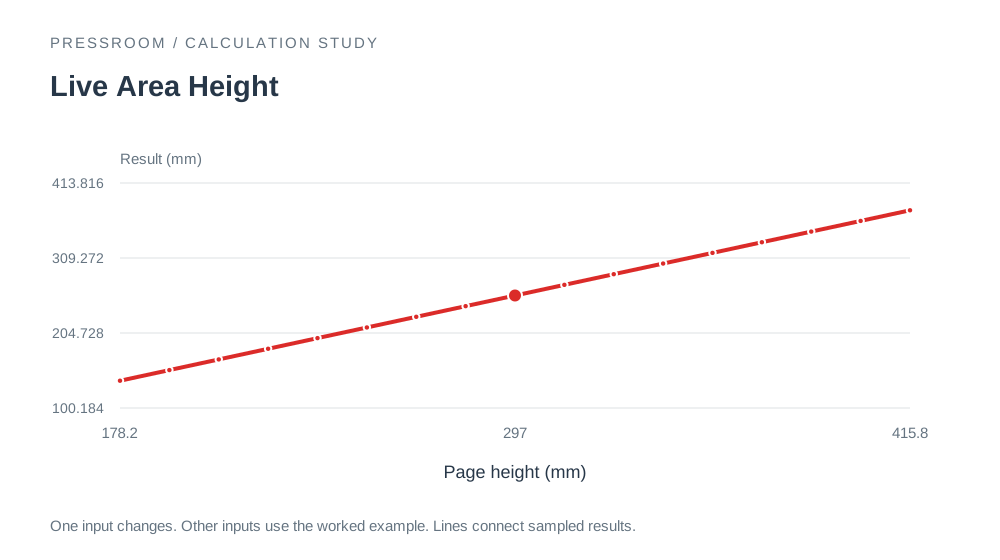
Vertical margins define the available content height within a page.
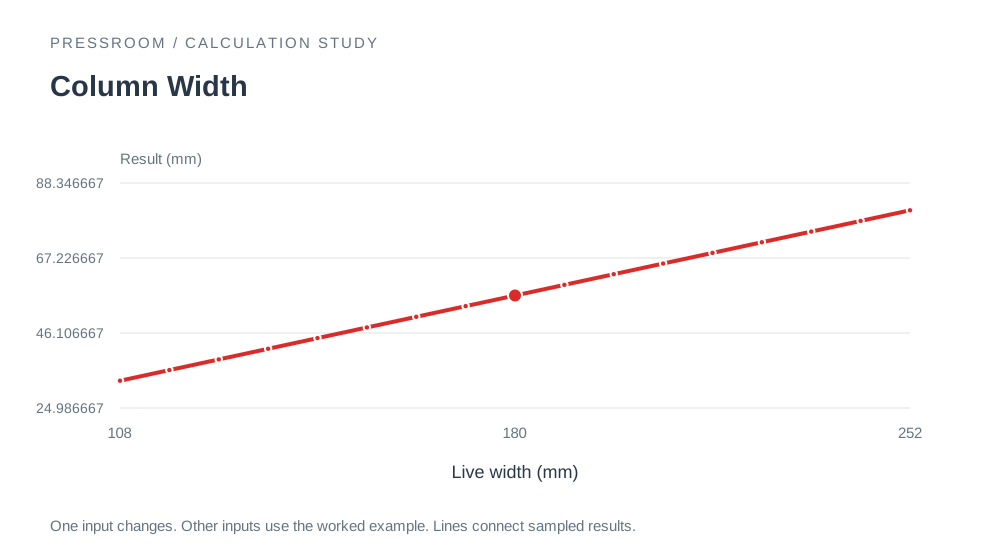
Equal columns divide the usable width after the gaps between columns are removed.
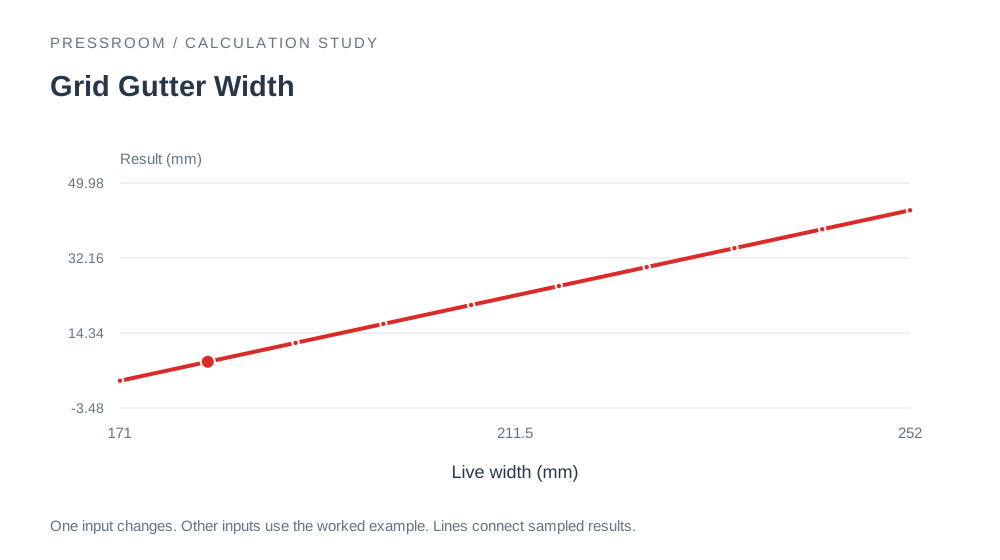
A target column width leaves the remainder to be shared by internal gutters.
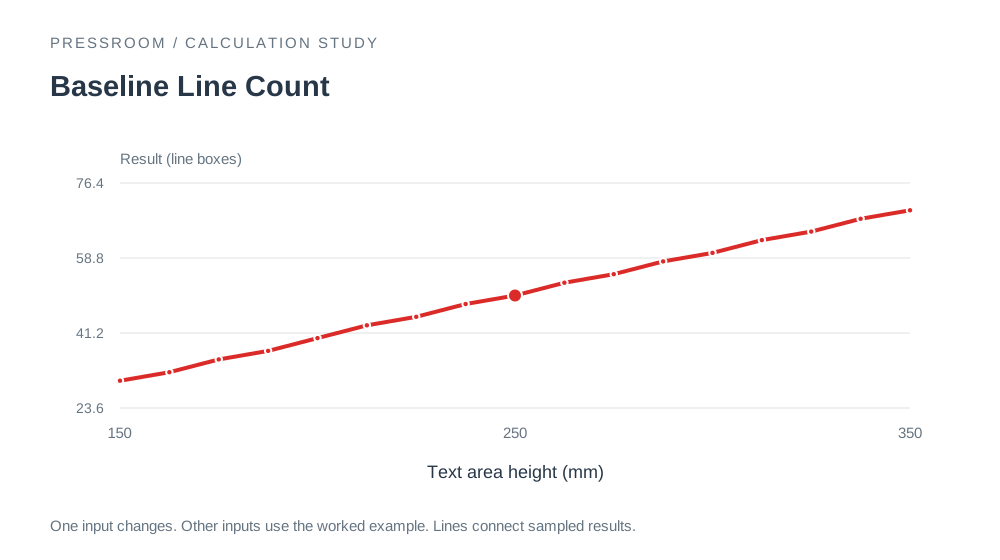
A baseline interval gives a rough count of full line boxes in a fixed-height frame.
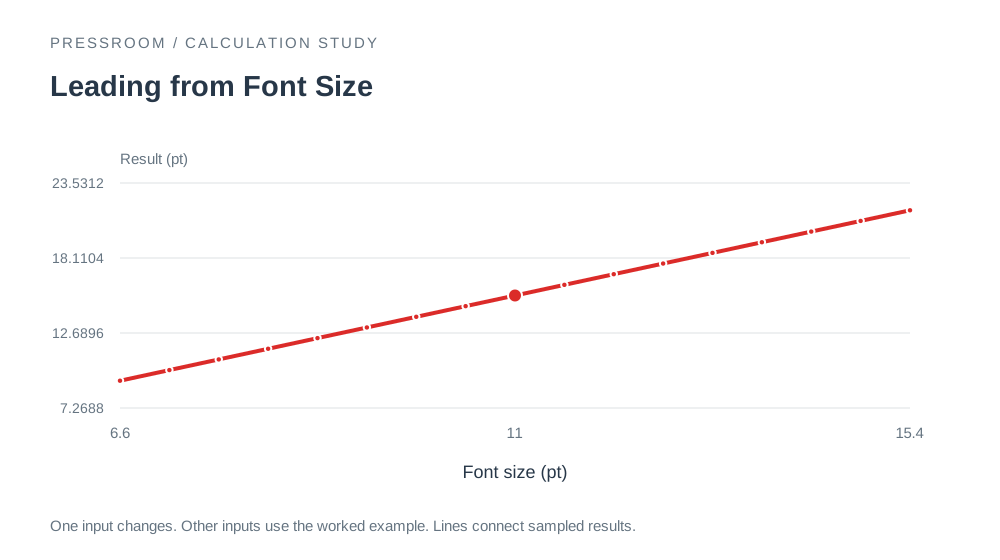
A proportional leading rule gives a starting line spacing for a text style.
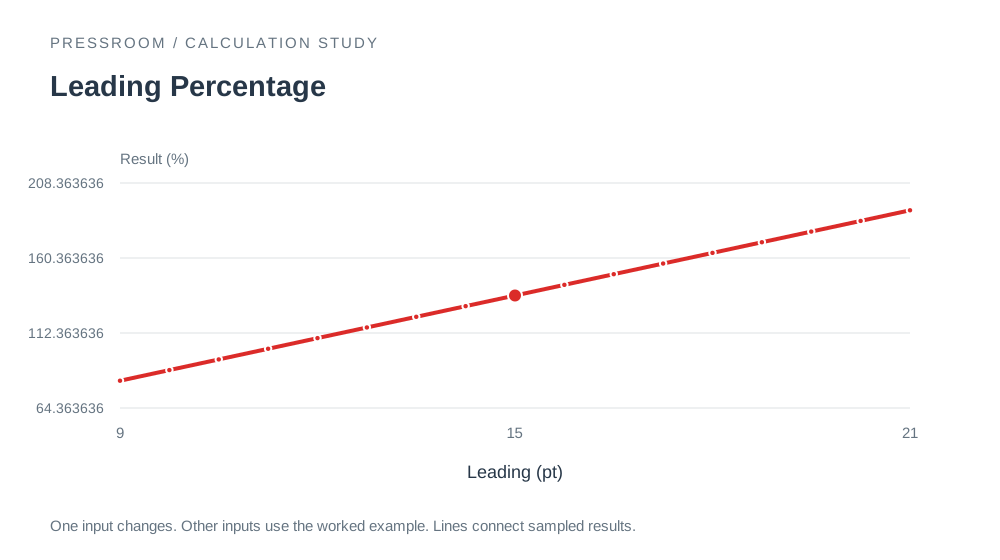
Expressing leading relative to font size makes spacing systems easier to compare.
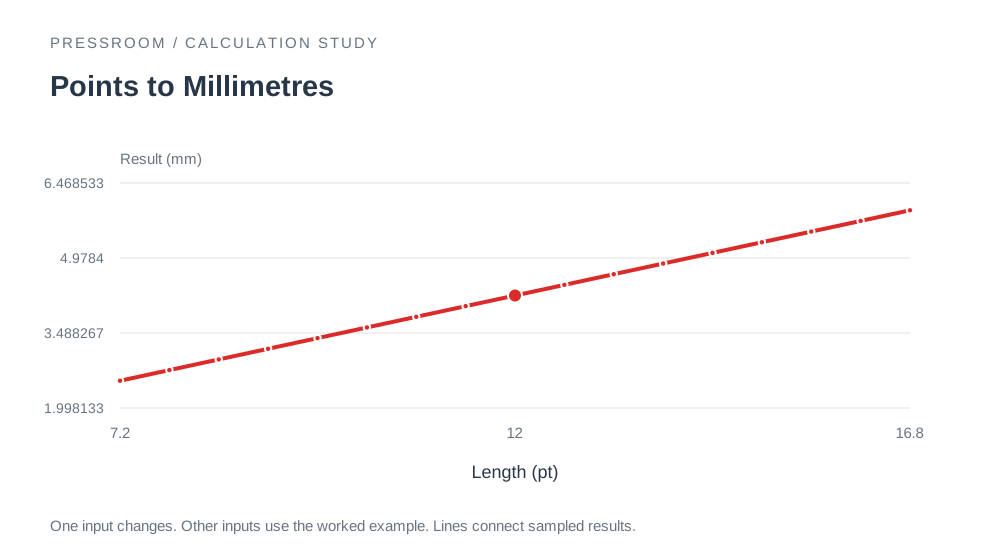
A PostScript point is one seventy-second of an inch.
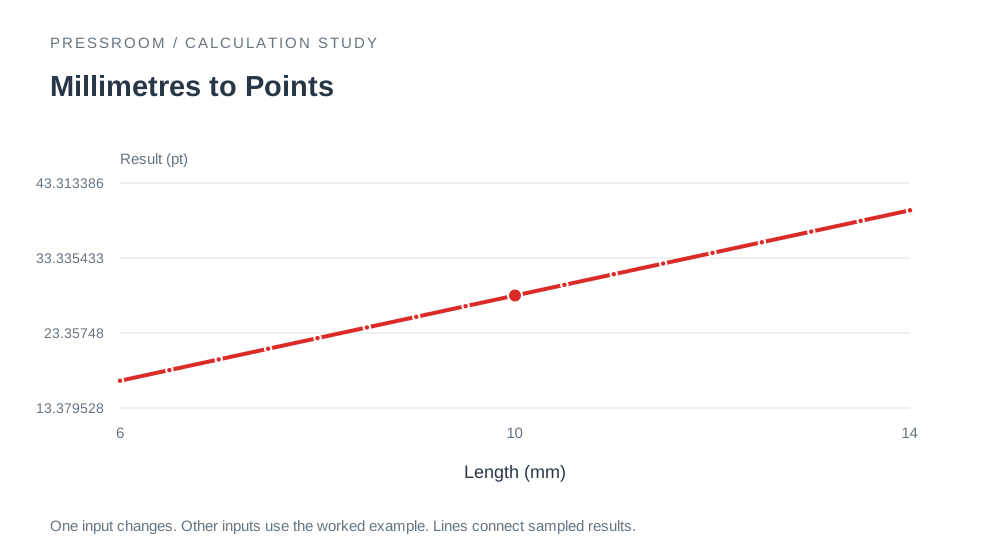
Converting a physical measurement into points supports page-layout settings.
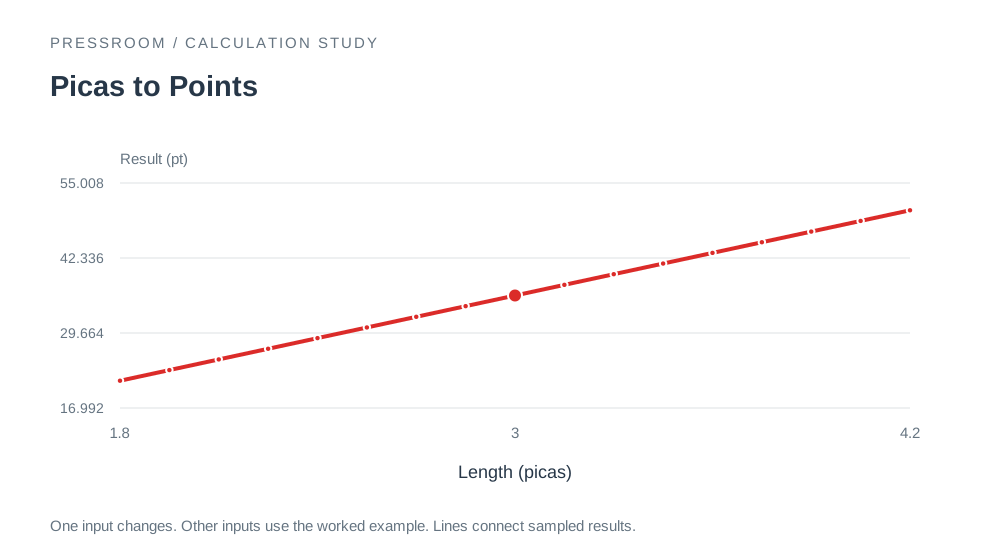
One pica contains twelve points in modern publishing measurement.
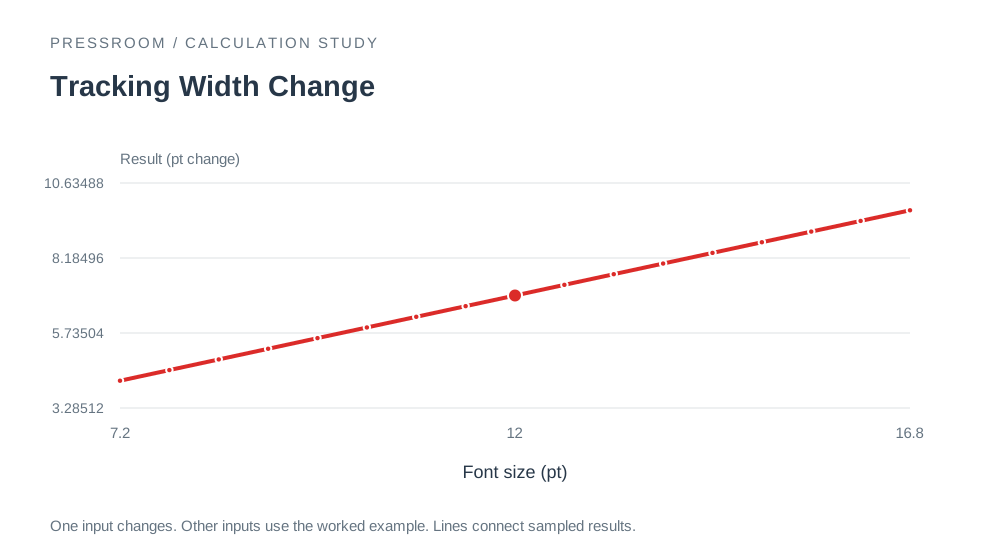
Tracking adds spacing across the gaps in a run of characters, often in thousandths of an em.
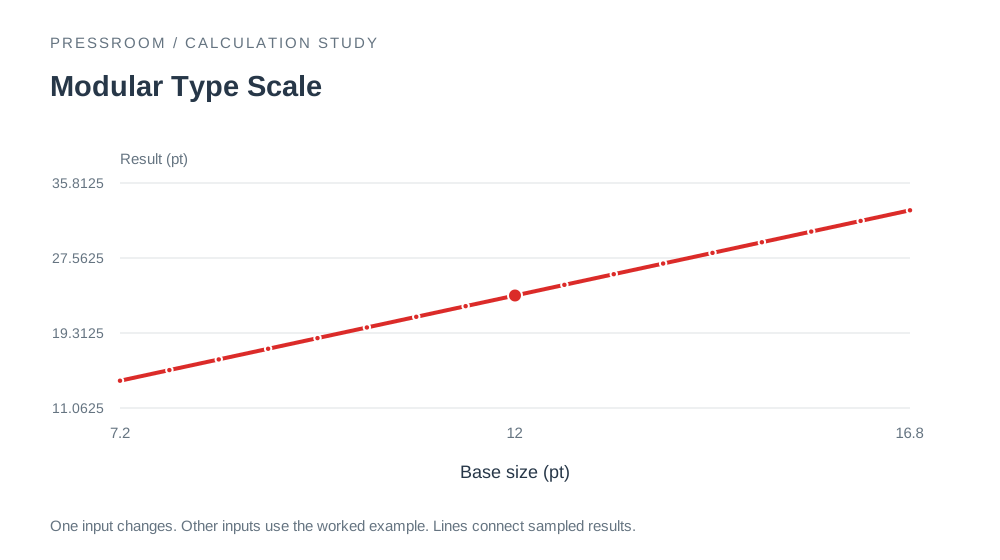
A modular scale generates related sizes from one base and a repeated ratio.
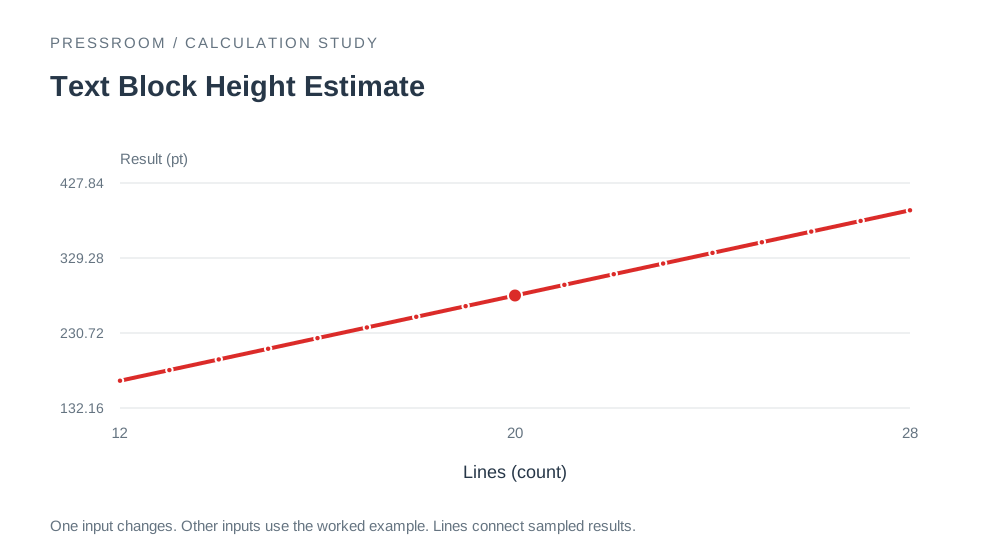
Counting full line boxes provides a rough vertical allocation for body text.
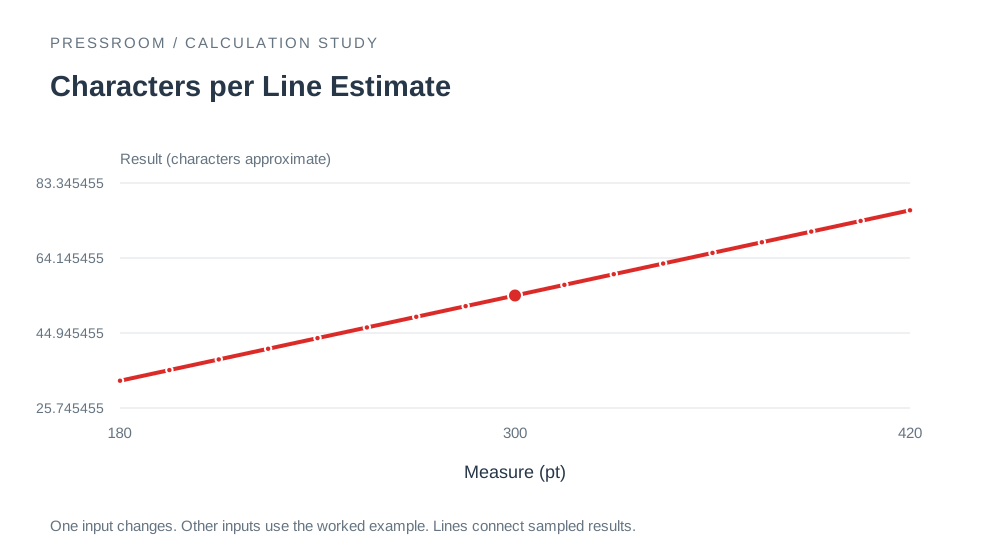
An average glyph-width assumption estimates text capacity across a measure.
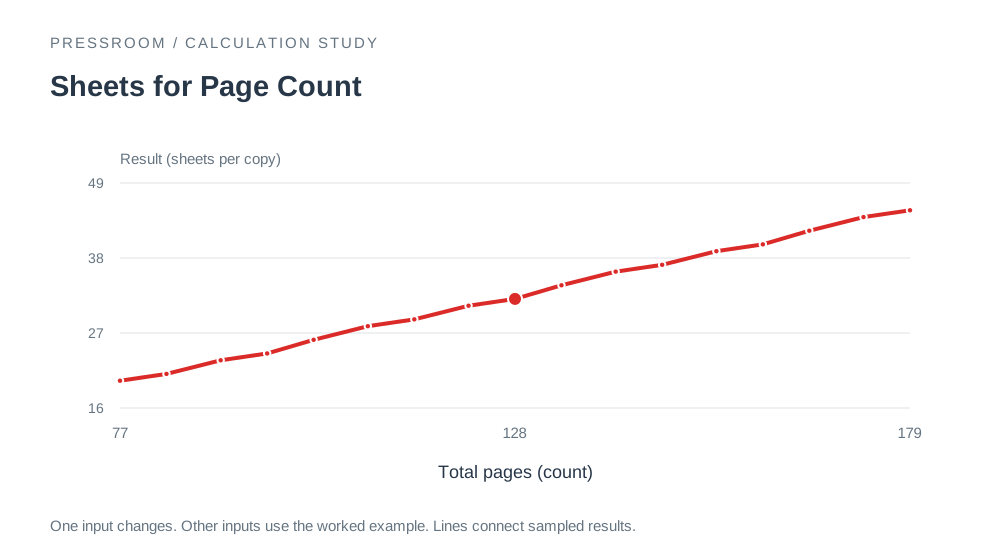
A physical sheet can carry multiple logical pages depending on imposition and duplexing.
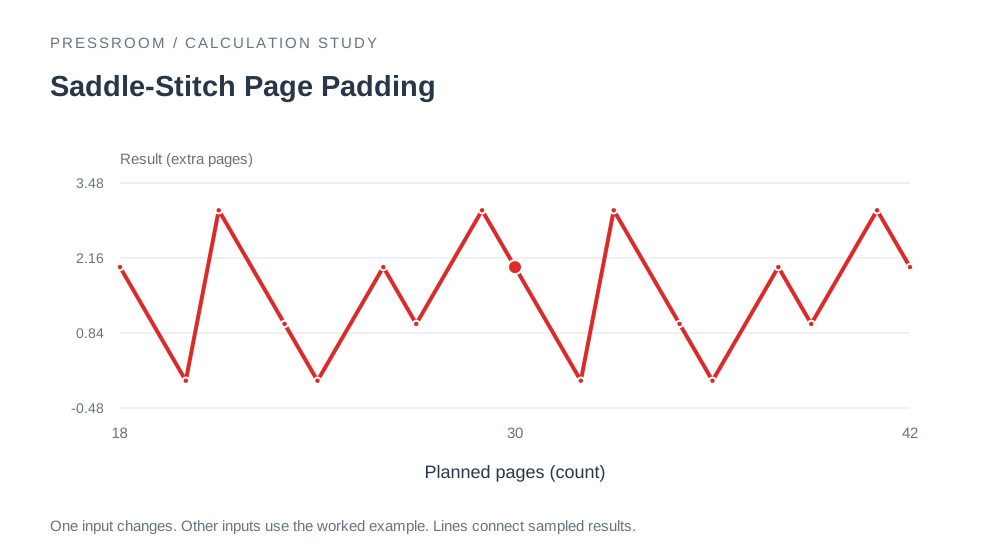
A simple folded-sheet booklet needs a page count divisible by four.
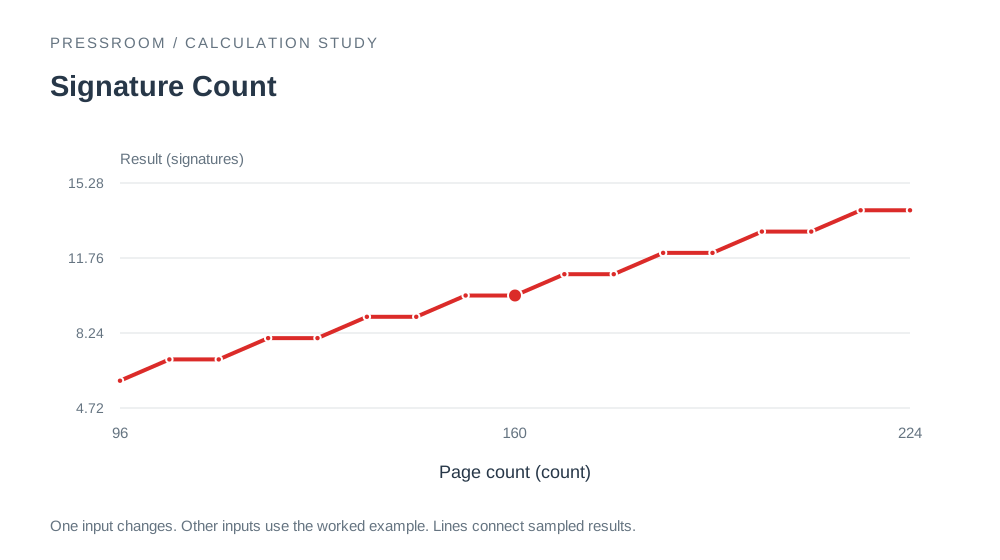
A signature groups a fixed number of pages into a folded section.
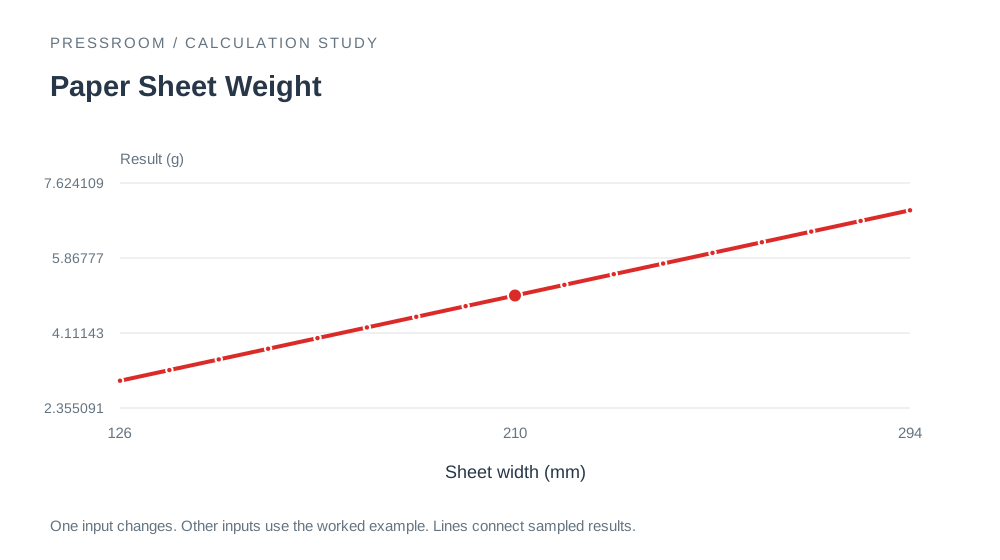
Grammage gives mass per square metre, so sheet area determines nominal weight.
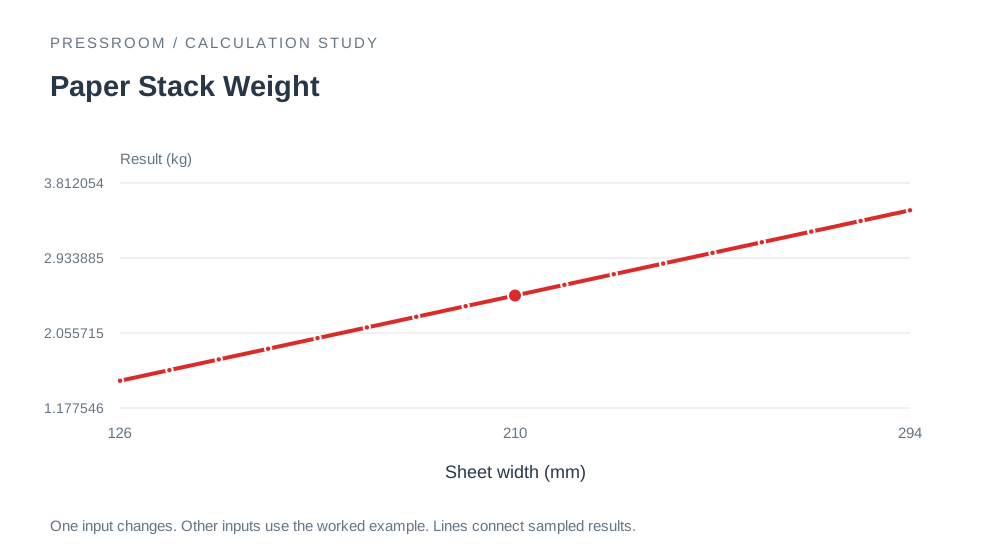
Stack mass follows single-sheet mass times count.
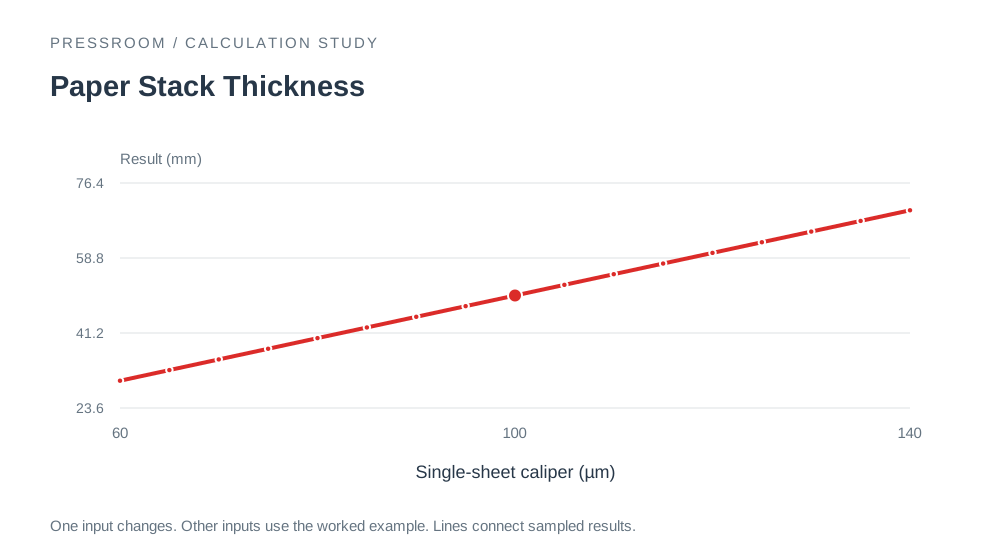
Caliper directly estimates the height of a stack of sheets.
No matching articles. Try a shorter search or choose all categories.